The concept of Rabb as articulated by the Promised Messiah(as) reveals a profound understanding of divine nurturing and human dependence on God. This attribute encompasses both the evolutionary nature of God’s creative process and the spiritual dynamic of seeking divine assistance and forgiveness.
The Gradual Development Inherent in Rabb
The attribute of Rabb fundamentally indicates that God the Creator provides for all subsequent stages of development of His creation. The term Rabb-ul-‘Alamin specifically implies that God develops everything from a lower to a higher stage in a never-ending process. This principle of gradual evolution reflects a consistent pattern throughout creation, where perfection is achieved not through sudden transformation but through intermediate stages.
The Promised Messiah(as) emphasized that goodness cannot reach its perfection by abandoning the intermediate stages, nor can anything reach its extremity by skipping middle stages. This understanding of tarbiyat (nurturing) demonstrates that God’s method is one of patient, phased development rather than instantaneous completion. The very structure of creation follows this divine pattern, as the Promised Messiah(as) noted that human civilization and dispensation have a cyclic life that unfolds progressively.
Rabbana and the Seeking of Help
When examining the supplication Rabbana, the Promised Messiah(as) provided critical insight into its deeper implications beyond mere invocation.
He stated that:
“in the Holy Quran whenever the word Rabbana is used implicit in its meaning is repentance (Taubah)” (MalfuzatVol. 4, page 285).
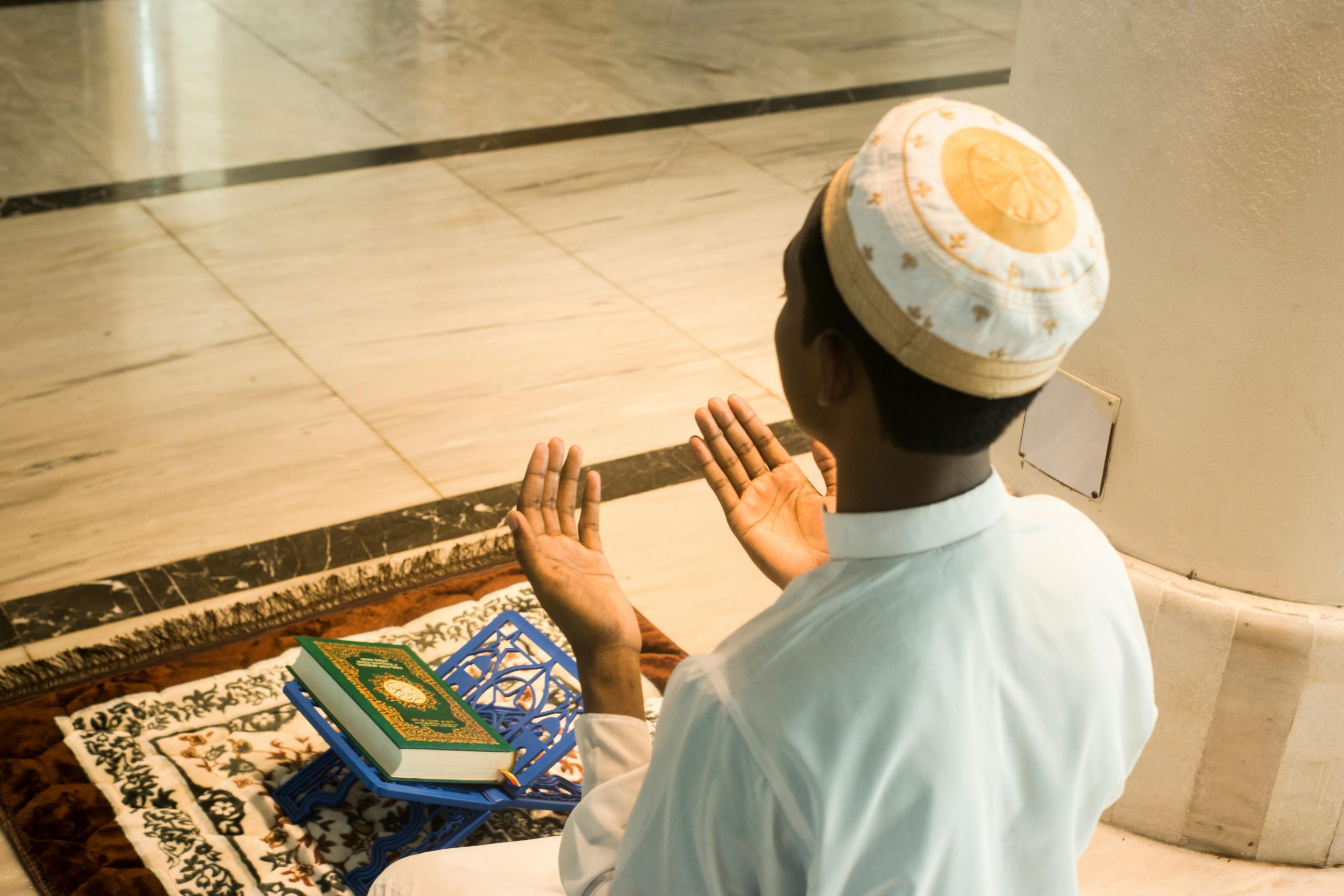
This reveals that calling upon God as Rabb inherently acknowledges human weakness and the need for divine intervention.The Promised Messiah(as) cited the example of Adam(as), who sought Allah’s help and forgiveness by praying:
“Our Lord (Rabbana), we have wronged ourselves; and if Thou forgive us not and have not mercy on us, we shall surely be of the lost” (7:24).
This exemplary supplication demonstrates that Rabbana encapsulates the dual recognition of one’s own shortcomings and God’s capacity to nurture the believer back to righteousness through forgiveness.
The Nature of True Repentance
Regarding the mechanism by which God responds to calls of Rabbana, the Promised Messiah(as) taught that Taubah (repentance) means “returning,” which is why God’s name is also Tawwab, He Who is Oft-Returning. When a person discards sin and turns to God with a sincere heart, God Almighty turns even more toward him. The Promised Messiah(as) explained that true taubah means a person should discard a vice with such firm resolve that thereafter, even if thrown into fire, he would not commit that vice again.
Furthermore, the Promised Messiah(as) emphasized that seeking forgiveness has two dimensions:
- first, one ought to beg God Almighty to cover and hide past sins;
- second, one ought to seek the ability to be saved from committing sin in the future.
This is not a mere verbal recitation but must come from the heart, and one should supplicate in Prayer in their own tongue as well
(Malfuzat [English], Vol. 3, pp. 235-236).
Divine Mercy and the Rabb Attribute
The Promised Messiah(as) taught that God Almighty has not made it incumbent upon Himself that He must punish; rather, He has made it incumbent upon Himself to grant His mercy for those who repent, seek forgiveness, and supplicate. He stated:
“My mercy transcends My wrath” (Rahmati Sabaqat Ghadabi) (Tohfa Ghaznavia, Ruhani Khazain Vol. 15, p. 537).
This demonstrates that the nurturing aspect of Rabb is ultimately oriented toward mercy, forgiveness, and the gradual elevation of creation toward perfection.